
How Childhood Experiences and Attachment Styles Affect Adult Relationships
I think many people can relate to the realization that they are in a relationship that highlights the issues they have had in the past with their parents. Many people try so hard not to repeat their past, but then they find themselves in a relationship that somehow brings out the same emotions they experienced growing up. Learn how attachment styles develop, how they influence romantic relationships, and how therapy can help you build more secure relationships.

What Is Gentle Parenting? Does It Actually Work?
Social media has created a new buzzword around “gentle parenting.” And along the way, people have created different perspectives around what gentle parenting means. The truth is that many of the conversations online misunderstand what gentle parenting actually is. Gentle parenting is not about avoiding consequences or saying "yes" to everything your child wants. It's about combining empathy with clear, consistent boundaries.
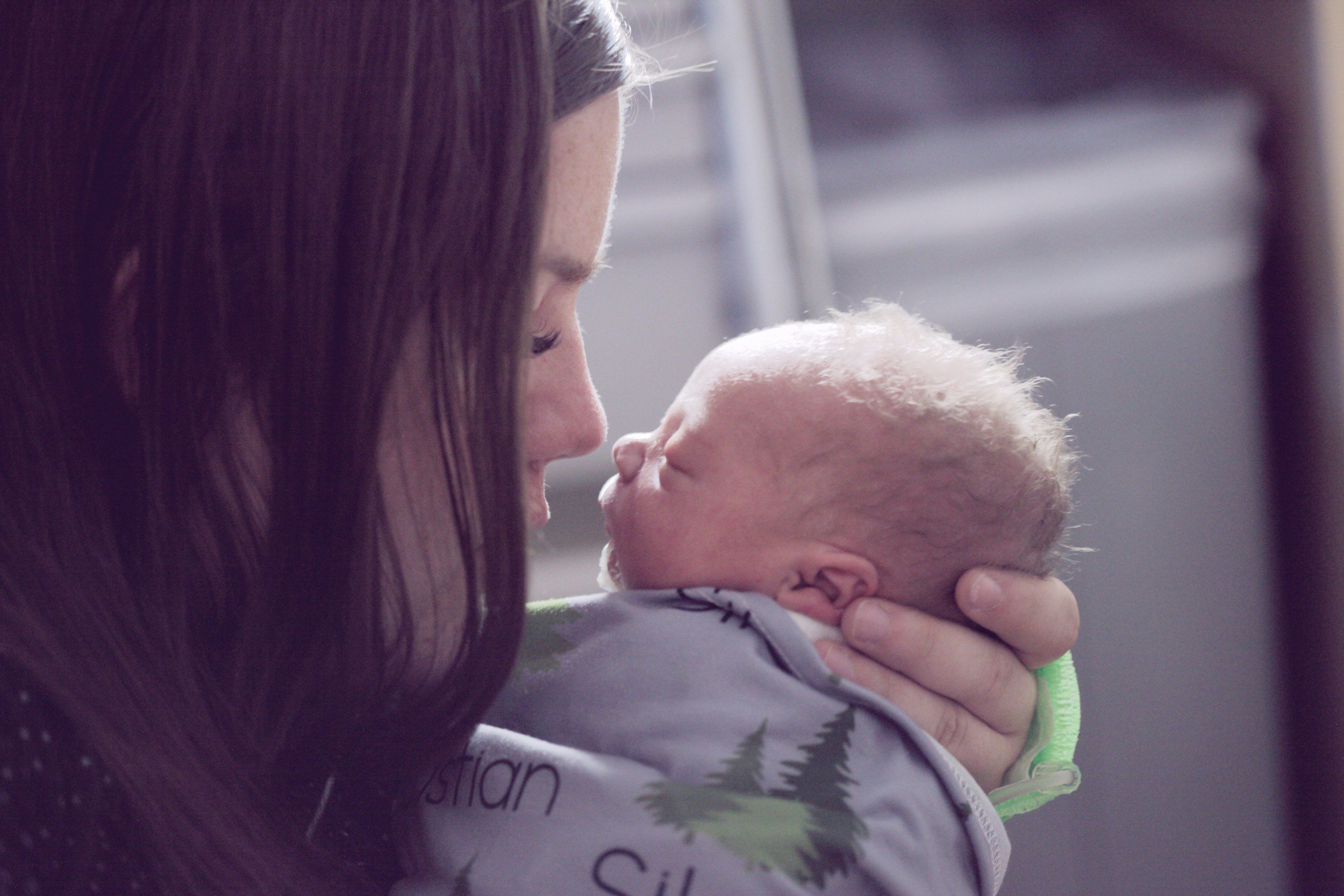
7 Signs You May Be Experiencing Postpartum Anxiety
Postpartum anxiety can feel all-consuming and take up a lot of time and space in your head. It can feel debilitating, like you are unable to do anything, go anywhere, or see anyone. Learn seven common signs of postpartum anxiety and how therapy can help you feel more like yourself again.

Managing Stress During Pregnancy
One of the most stressful parts of pregnancy is feeling like you shouldn't be stressed at all. There is so much messaging about how stress can affect your baby that it's easy to become anxious about feeling anxious. While managing stress is beneficial for both you and your baby, learning healthy coping strategies can help reduce its impact and support your overall well-being.
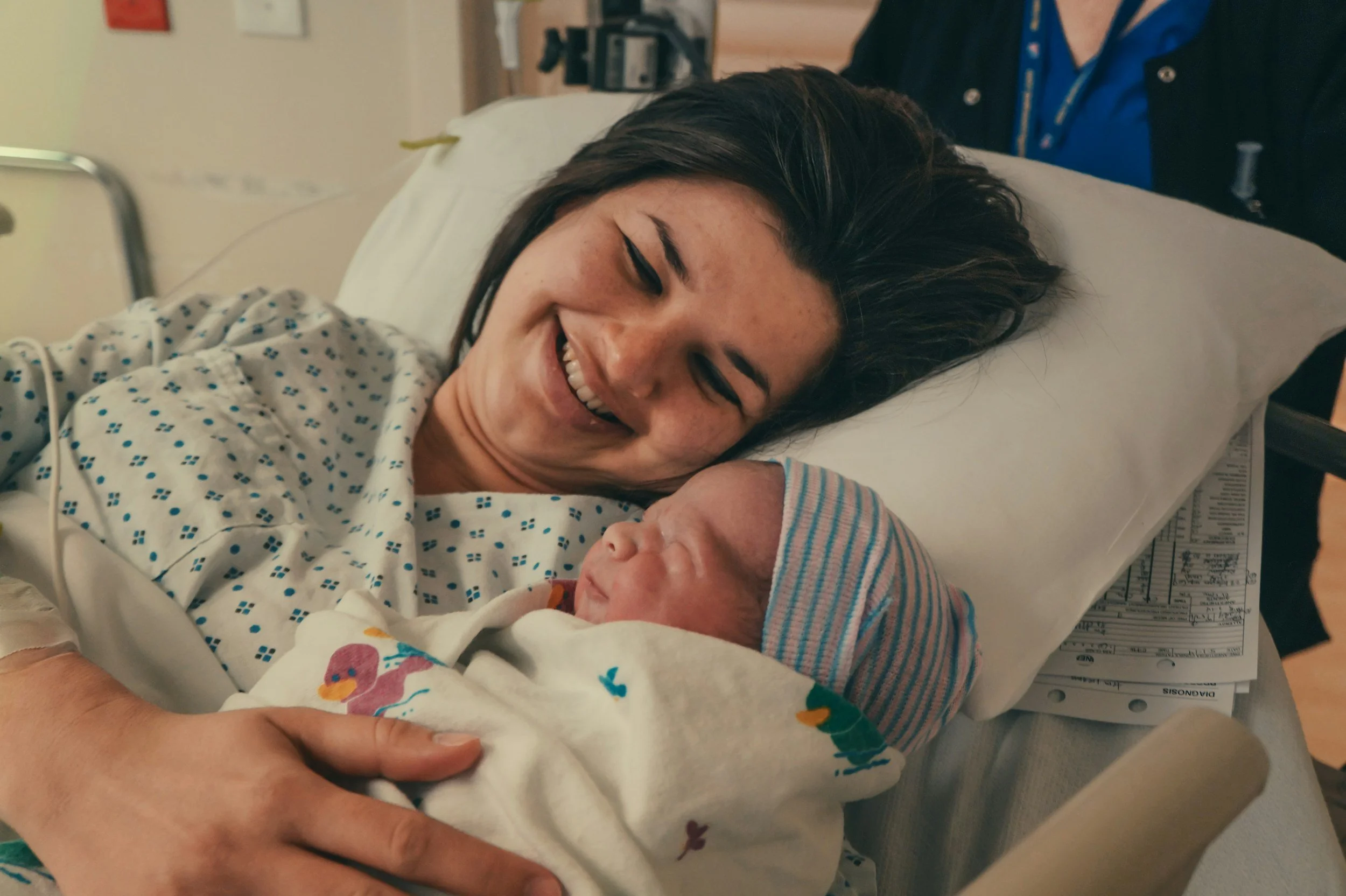
How to Cope With the Fear of Childbirth
While pregnancy brings so much joy and excitement, the anticipation and fear of childbirth can feel like a dark cloud on your pregnancy journey. Childbirth is an unknown, and a lot of it is out of your control. While there are aspects of labor that remain outside of your control, there are things you can do to prepare your mind, build a supportive team around you, and develop tools to help you feel more grounded and confident.

How Having a Baby Can Change Your Relationship
It goes without saying that relationships can become a lot harder after having a baby. One of the most common relationship changes after having a baby is having less time and energy to devote to your partner. It takes conscious choice and effort to meet each other’s needs in the relationship.

The Experience of Mom Guilt
As if motherhood isn’t hard enough, mom guilt comes along to make mothers feel worse. It can be so, so easy as a mother to feel like you are failing your baby, or failing your partner, or failing your job. How do you manage the guilt that comes along with motherhood? How do you feel better about who you are as a parent?

Identity Shifts as a New Mom
One of the most challenging things about postpartum is the identity shift that a woman experiences as a new mom. It is a challenge as a mom to figure out how to get back to who you were before while being completely changed by motherhood. While motherhood may change your identity, there are still ways you can find yourself within it.
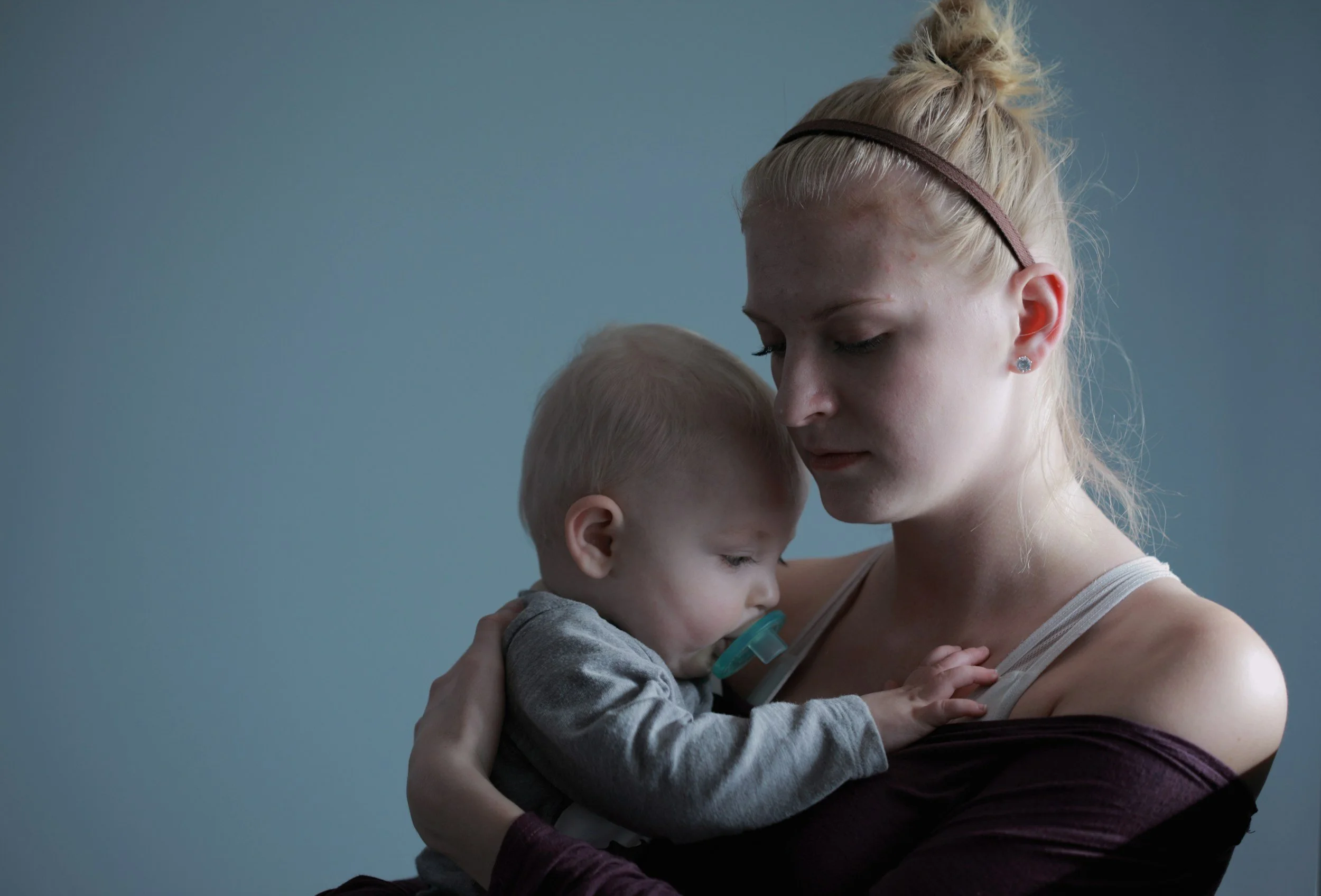
The Mental Load of Motherhood: Why It Feels So Heavy and How to Lighten It
The mental load is a nagging thing in the back of the mind. Most mothers struggle with the mental load, and this struggle can impact their relationship with their baby and their partner. Finding ways to quiet the mental load and communicate with your partner can help immensely.
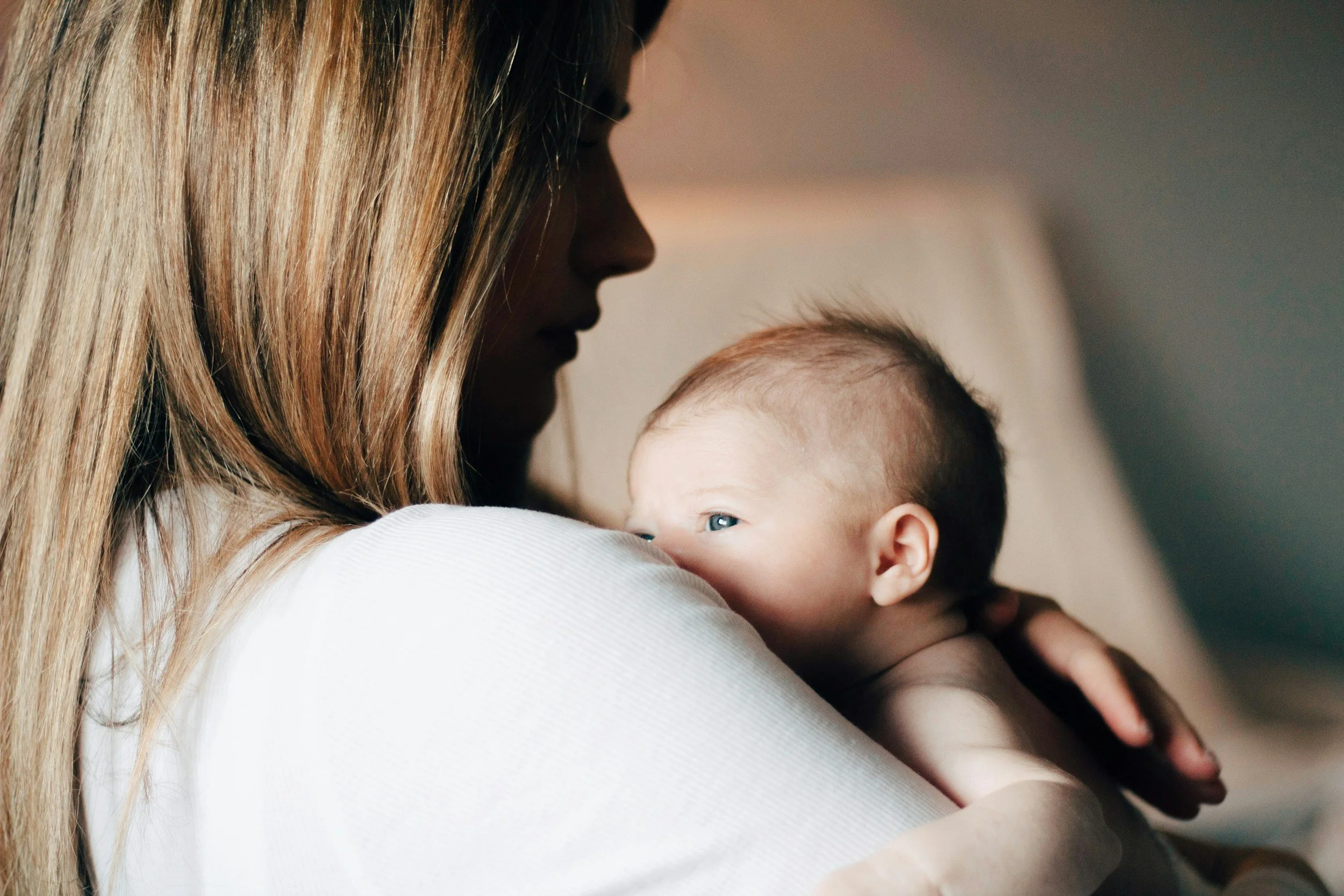
How Therapy During Postpartum Can Help
One of the most challenging things about postpartum is the isolation a mother feels, especially when she is experiencing postpartum depression or anxiety. Postpartum hormones and sleep deprivation can make you feel completely alone in your experience and feel that you are failing. One of the most powerful things that can change the postpartum experience is to be told that you are not alone.

Baby Blues vs. Postpartum Depression and Anxiety
Baby blues are a common experience in postpartum women. The challenge is that postpartum depression and anxiety are so similar to baby blues. It can be hard to differentiate between the two and know when it is something more, and when to seek help.

Why Walk and Talk Therapy is Beneficial for Teens
Walk and talk therapy is a beneficial method of therapy to help teens open up, improve their mood, and regulate their emotions. Walk and talk therapy also helps teens develop a stronger connection between their body and mind. Movement, fresh air, and nature can make it easier to process emotions and talk through challenges. Walk and talk therapy is available in the Livermore/Pleasanton area.

How to Prepare Your Relationship for a Baby: 5 Important Conversations Every Couple Should Have
Anticipating the arrival of a baby is one of the most exciting seasons in a couple’s life. But alongside the excitement can come unexpected stress. Sleepless nights, shifting roles, and new responsibilities often bring surprises that parents didn’t fully anticipate. Even the strongest relationships can feel the strain of such a significant life change. That’s why some of the most important preparation happens in intentional, honest conversations.