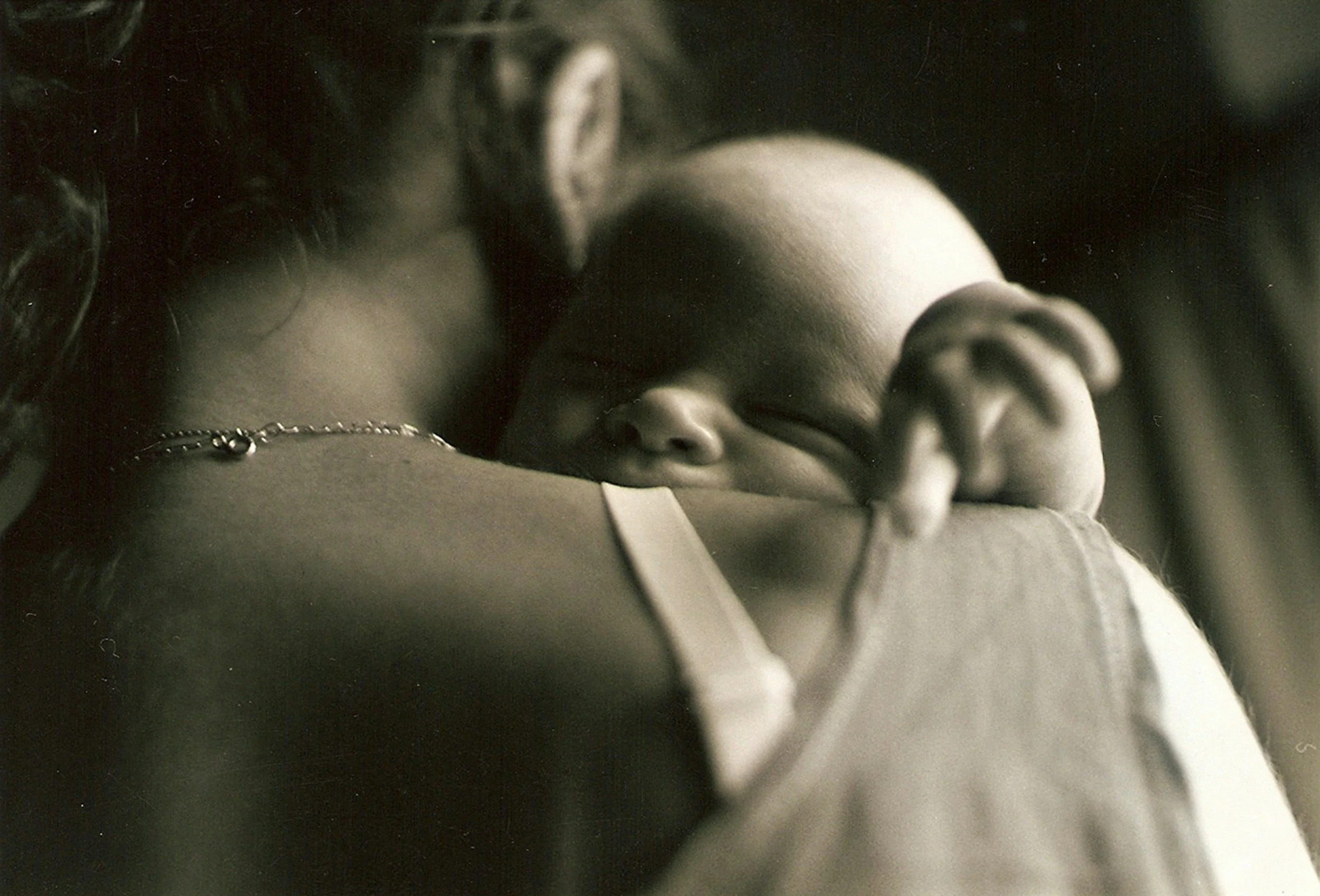
Identity Shifts as a New Mom
One of the most challenging things about postpartum is the identity shift that a woman experiences as a new mom.
Arguably, one of the most challenging things about postpartum is the identity shift that a woman experiences as a new mom. In the newborn phase, life revolves around sleeping, feeding, diaper changes, and trying to sleep. As a new mom, it can feel like you are simply living in the moments in between the baby’s cries.
Then, slowly, as the newborn phase begins to pass and your baby grows, you start to reconnect with the small pieces of who you were before motherhood.
Reconnecting With Who You Were Before
It is a challenge as a mom to figure out how to get back to who you were before while being completely changed by motherhood. Things that once felt incredibly important before might not carry the same weight after the baby is born. At the same time, the things that still matter to you can feel harder to hold onto.
The Challenges of Returning to Work
Returning to work can bring even more challenges. You might want to be available and flexible at all times, but now you might be unable to because of childcare and the emotional difficulty of being away from your baby. You might want to feel fully present and productive at work, but you are still waking up multiple times at night and just trying to get through the day. It can be so hard to know how to balance your priorities as a mother, an employee, a partner, and a woman.
Grieving the Version of Yourself Before Baby
The reality is that you may never return to exactly who you were, but you can find a balance between what you value and your role as a parent.
Therapy can hold space as you navigate the person you are now and grieve the person you were before. It is completely okay to miss parts of yourself before baby, or to miss the time that you used to have, or the body you once had. You can hold both the grief of what has changed and the joy of what your baby brings. Just because you miss your old self does not mean that you don’t love motherhood and your parenting journey.
Finding Yourself Within Motherhood
As you navigate motherhood, try to find ways to stay connected with yourself. Whether that is going back to work, choosing to stay at home and fully immerse yourself in motherhood, making time for hobbies, reconnecting with friends, or simply finding small moments that remind you of who you are outside of being “mom.” Just a few minutes a day to reconnect with who you are outside of being a mother can bring so much healing.
Motherhood changes your identity, but you can still find yourself within it.
Baby Blues vs. Postpartum Depression and Anxiety
Baby blues are a common experience in women postpartum. The challenge is that postpartum depression and anxiety are so similar to baby blues. It can be hard to differentiate between the two and know when it is something more. Baby blues are a common experience for women in the postpartum period. The American Pregnancy Association (2026) states that 70-80% of mothers will experience negative feelings or mood swings after the birth of a baby. Baby blues will typically occur about four to five days after giving birth. The symptoms can include crying for no reason, irritability, anxiety, and mood changes.The challenge is that postpartum depression and anxiety are so similar to baby blues. Many women expect to have crying spells and to feel a little weepy, and it can be hard to differentiate between the two and know when it is something more. And a lot of mothers will have the thought that what they are experiencing is normal, or they may feel that what they are feeling makes them a bad mother and a failure. When it comes to baby blues, symptoms should start to improve within a couple of weeks and should come and go throughout the day, according to the American Pregnancy Association (2026). In contrast, postpartum depression or anxiety is persistent and lasts longer than two weeks. Postpartum Support International (2026) shares that perinatal mental health disorders can begin any time during or after pregnancy, and postpartum mental health disorders can occur within one year after the birth of a baby. A lot of the times mothers expect these issues to come up right away, but it can come up at any point within that first year as things change in parenting. The important point is that no matter how far along you are in your parenting journey, you can still be at risk, and you absolutely deserve the help and support you need.
What are the symptoms of Prenatal and Postpartum Depression?
Crying spellsSadndessFeelings of overwhelmIrritability or agitationAngerSleep disturbancesMood swingsApathyExhaustion
Unexpected symptoms of postpartum depression can include:
ManiaIntrusive thoughts and imagesProtectiveness or hypervigilanceSubstance dependence
What are the Symptoms of Prenatal and Postpartum Anxiety?
Panic attacksInsomniaLow appetiteOverwhelming fearsShaky, dizzy, or short of breath
You Don’t Have to Wait Until It Feels “Severe”
If you are experiencing any of these symptoms and they are bringing you distress, it is okay to get help and support. You do not have to suffer alone or in silence. You do not have to wait until things feel “bad enough.” If your pregnancy or postpartum experience is being impacted in a way that doesn’t feel right to you, that alone is a valid reason to reach out for support. Help is available, and you deserve to feel supported during this time.To get started with therapy, contact me for a free consultation
To learn more, visit the perinatal mental health services page
References American Pregnancy Association. (2026). Baby blues after pregnancy. https://americanpregnancy.orgPostpartum Support International. (2026). Perinatal mental health disorders. https://www.postpartum.net